

What Is Rote Learning?
When you hear rote learning, you might picture students endlessly repeating multiplication tables or cramming for a test without understanding a thing. Sound outdated? Maybe—but learning by rote still plays an essential role in building knowledge that sticks.
Let’s explore the definition of rote learning, when it works best, and how it fits into the bigger picture of education and creativity.
Rote learning is all about repetition. It’s the practice of memorizing facts or information without necessarily diving into the meaning behind them. Think about reciting times tables or memorizing the periodic table.
While rote memorization might seem basic, it actually serves as a critical building block for higher-level thinking. In Bloom’s Taxonomy, remembering is the first step in the learning process. Once you’ve committed key facts to memory, you can move on to understanding, analyzing, and applying them in more complex ways.
Why Memorization Matters
We often hear that understanding is everything, but sometimes you just need facts at your fingertips. That’s where memorization shines.
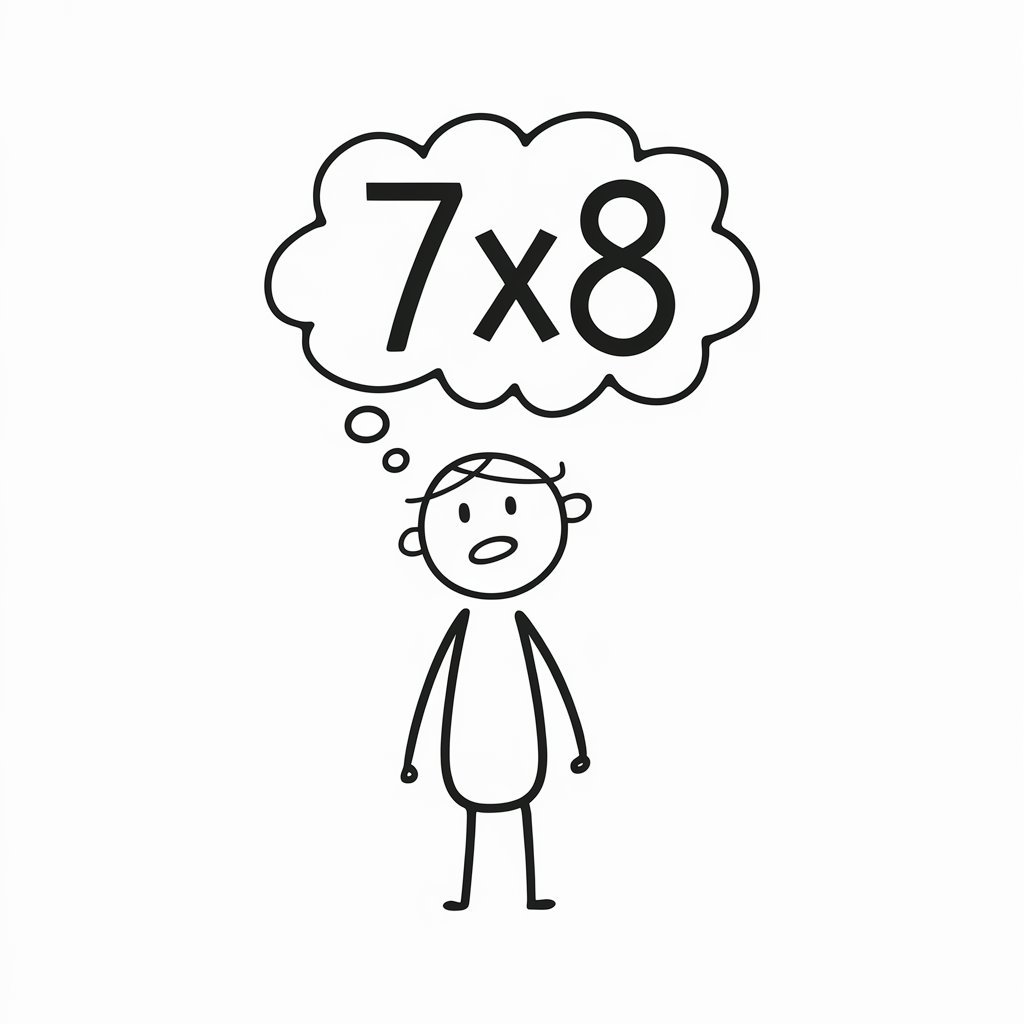
Have you ever paused to think about what 7 x 8 equals? Probably not, because you already know the answer by heart. This mental shortcut frees up your brain to tackle more complex problems. This is the essence of rote memory in action.
Here’s why learning by rote deserves a spot in your toolkit:
- It builds a foundation. Knowing math facts, grammar rules, or vocabulary provides the tools learners need for more advanced work.
- It boosts confidence. Quick recall helps students feel prepared in high-pressure situations like tests or performances.
- It’s practical. Memorized facts save time, whether it’s recalling anatomy terms or navigating language fluency.
What is rote memorization? It’s not just about repeating—it’s about creating a foundation for more complex skills.
The Flip Side of Rote Learning
Of course, rote learning has its limits:
- It can feel shallow. Memorizing without understanding means knowledge might not transfer to real-life scenarios.
- It’s easy to forget. Without regular use, information can fade quickly.
- It may stifle creativity. Relying too much on repetition can make learning feel rigid and uninspired.
So how can we make rote learning more effective—and less frustrating?
How to Use Rote Learning Wisely
- Blend it with deeper learning. Memorizing multiplication tables? Pair it with hands-on activities that show what multiplication looks like in real life.
- Add some creativity. Use mnemonics, rhymes, or songs to make repetition more engaging. For example, sing the ABCs to memorize letters or use “King Philip Came Over For Good Soup” to recall taxonomy.
- Practice smartly. Spread practice sessions out over time and revisit material often. This reinforces memory and helps it stick for the long term.
By combining rote memorisation with other methods, we make learning both effective and meaningful.

Where Rote Learning Shines in Modern Education
While today’s education emphasizes critical thinking and creativity, rote learning still has a place.
Here are some examples:
- Math: Memorizing formulas and multiplication tables speeds up problem-solving.
- Languages: Vocabulary, verb conjugations, and phonetics all require learning by rote.
- Science and Medicine: Facts like anatomy terms or chemical formulas rely on rote memory for instant recall.
In these contexts, rote learning meaning becomes clear: it’s a tool for efficiency, not the end goal.
The Big Picture: Rote Learning as a Tool, Not the Goal
What is learning by rote? It’s not a replacement for understanding but a step toward it. By using memorization as a building block, educators and students unlock creative, critical, and conceptual thinking.
The takeaway? Rote learning works best as part of a balanced approach. Memorize the times tables, but also understand multiplication. Learn the words to a poem, but also reflect on its meaning.
When we pair repetition with curiosity and creativity, we make learning both practical and inspiring.
Your Turn
How do you use rote learning in your teaching or learning? What foundational skills do you prioritize? By rethinking learning by rote, you might discover its true power to support creativity and deeper understanding.


Leave A Comment