

Mastering Emotional Regulation with If-Then Statements
Are emotional regulation struggles getting in the way of your students’ success? You’re not alone—this is a common challenge for educators. Whether it’s test anxiety, frustration with assignments, or social stressors, emotional overwhelm can cause students to shut down, become distracted, or act out.
But here’s the good news: Emotional regulation is a skill that can be taught—and it has a huge impact on student success. Research shows that students who manage their emotions effectively not only perform better academically but also build stronger social skills and experience fewer behavioral disruptions (Gross, 2002; Zelazo & Cunningham, 2007).
So, how do you help your students regulate their emotions when things start to feel overwhelming? How can you give them the tools to stay calm and focused, even during the most stressful moments.
If-Then Statements: A Simple, Powerful Strategy
If-Then statements are an evidence-based tool that helps students manage their emotions before they spiral out of control. The concept is simple:
“If I feel [emotion], then I will [action].”
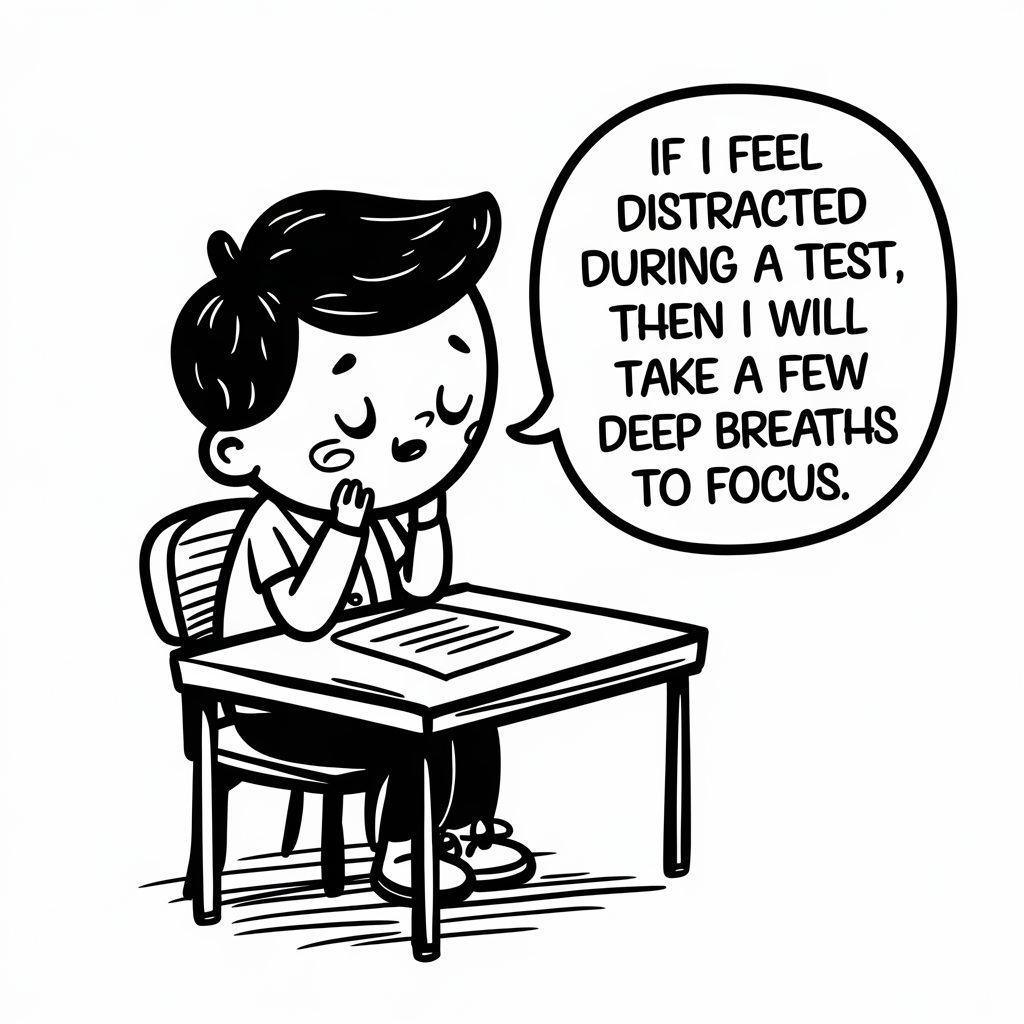
Here are a few examples:
- “If I feel frustrated with my homework, then I will take three deep breaths and focus on one small part of the task.”
- “If I feel nervous before a test, then I will remind myself to stay calm and take it one question at a time.”
Why Do If-Then Statements Work?
If-Then statements offer a proactive way for students to regulate their emotions. By connecting specific emotions to positive actions, students can quickly identify when they’re starting to feel overwhelmed and implement a coping strategy before emotions take over. This boosts their sense of control and improves their ability to stay on track.
The beauty of this strategy is that it empowers students. They aren’t waiting for an external cue—they are actively engaging in managing their emotional responses. As a result, they build greater self-confidence, focus, and resilience.
The Benefits of If-Then Statements in the Classroom
Implementing If-Then statements can transform your classroom in meaningful ways:
- Improved Emotional Regulation: Students begin recognizing early signs of emotional overwhelm and can calm themselves before behaviors escalate.
- Better Focus and Engagement: When students feel emotionally in control, they are more likely to stay focused, participate in lessons, and complete assignments.
- Increased Confidence and Resilience: With a strategy in place, students feel empowered to handle challenges without shutting down or acting out.
A classroom where emotional regulation is prioritized leads to a more peaceful, productive environment for everyone.
Here’s what you’ll find:
- A Reading Passage (Lexile measure: 850) that explains the power of If-Then statements in a clear, student-friendly way.
- A Vocabulary Activity to help students learn key emotional regulation terms like “frustration,” “stress,” and “confidence.”
- Scenario Cards where students practice creating their own If-Then statements, applying the strategy to real-life situations at school and home.
These resources will equip you to help your students take control of their emotions and set them up for long-term success.
Don’t let emotional overwhelm hold your students back—start using If-Then statements today and see how your classroom can thrive.



Leave A Comment