
We are human, which means that we make mistakes. Everyone on this earth makes mistakes almost every day. Yet, how do we view these errors? What role do you think mistakes play in our learning journeys, and how can we harness them to foster resilience and growth?
I teach students to see mistakes as valuable learning opportunities. Through integrating creative thinking, critical thinking, collaboration, and communication skills, I’ve found that embracing mistakes fosters resilience, creativity, and a genuine love of learning. Here’s how I implement this philosophy and why it makes a lasting difference.
Step 1: Cultivating a Growth Mindset
From the outset, I emphasize that making mistakes is not just acceptable—it’s an essential part of the learning process. Inspired by Carol Dweck’s growth mindset research, I encourage my students to think of their brains as muscles that grow stronger with each challenge. I share stories of renowned inventors, scientists, and artists who encountered setbacks before achieving success, helping them understand that mistakes are universal and often lead to breakthroughs.
Step 2: Engaging in Reflection

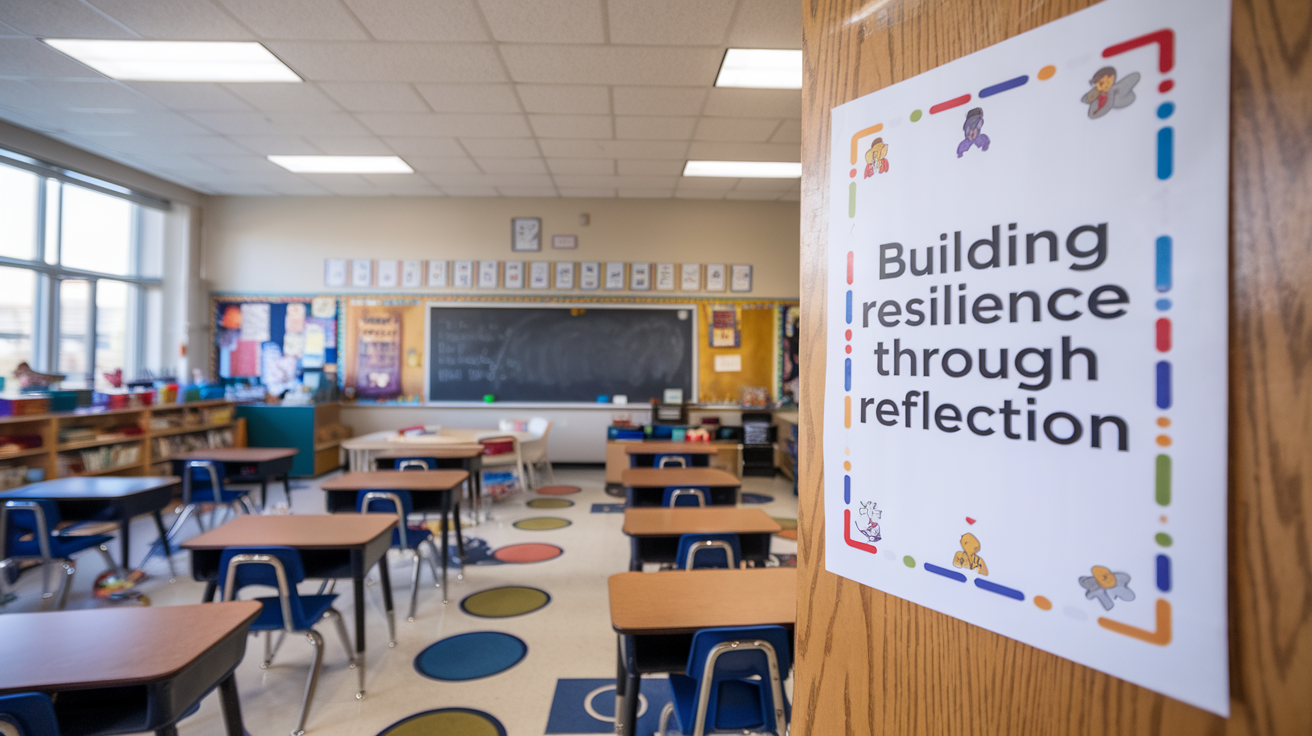
To truly learn from mistakes, it’s crucial to reflect on them. I dedicate time for “Mistake Reflection” sessions, where students analyze their work, identify what went wrong, and brainstorm improvement strategies. This isn’t about dwelling on errors but about understanding them. Some students keep journals to track their mistakes and insights, promoting self-awareness and growth.
Step 3: Embracing Mistakes
In my creative problem-solving course, we intentionally explore mistakes as a means to inspire innovation. Instead of simply correcting errors, we analyze them to uncover new perspectives and solutions. I encourage students to share their missteps openly, leading to collaborative discussions on how those mistakes can spark creativity. For instance, we might use brainstorming techniques to find multiple solutions to a problem that initially stumped us, highlighting that errors can often lead to unexpected insights. This approach fosters a culture where experimentation is valued, and students learn to view mistakes as opportunities for creative breakthroughs.
Step 4: Redefining Feedback
Feedback is an essential part of the learning process. This is a tricky one, because so many of us have been conditioned for some reason that feedback is negative. Noooo, we must teach that feedback is just feedback. I focus on constructive guidance. We discuss what was successful, areas for improvement, and next steps. I also encourage self-assessment through checklists and rubrics, helping students take ownership of their learning and develop essential metacognitive skills.
Step 5: Modeling Mistake-Embracing Behavior
To create a safe environment for making mistakes, I share my own experiences with errors—whether in teaching or everyday situations. This openness shows students that mistakes are nothing to hide. We even have a “Mistake of the Day” activity where we discuss a mistake and its lessons. When they see that everyone makes mistakes, including me, it helps them feel more comfortable in their learning journeys.
Step 6: Emphasizing Low-Stakes Practice
I believe that mistakes shouldn’t come with high pressure. Instead of high-stakes tests, I often use low-pressure quizzes and practice assignments that allow students to identify their struggles without the stress of major grades. I also provide opportunities for “redo” assignments, encouraging them to learn from their mistakes. These chances to improve boost their confidence and willingness to take risks.
Step 7: Teaching Resilience and Adaptation
We engage in lessons about resilience, exploring case studies and stories of individuals who overcame setbacks. We discuss the concept of failure as a stepping stone rather than an endpoint. I often incorporate game-based activities where mistakes lead to new strategies, demonstrating that learning is about perseverance and adaptation, not perfection.
Why This Matters
These strategies significantly impact student growth. By encouraging reflection on mistakes, students enhance their problem-solving abilities and resilience. Research indicates that those who embrace mistakes are often more motivated and engaged, a phenomenon I witness regularly in my classes. Teaching students to view mistakes as valuable lessons transforms their learning experience, helping them see setbacks as part of their journey rather than the end.
Fostering a learning environment where mistakes are embraced has transformed my teaching approach. Students now see mistakes as opportunities for growth, becoming more confident and resilient learners. By nurturing a growth mindset, encouraging reflection, and providing a safe space for learning, I am preparing my students for academic success and a lifelong journey of curiosity and resilience. Ultimately, it’s not about avoiding mistakes; it’s about learning from each one.



Leave A Comment