
Fostering Trust
Creating an environment where students feel comfortable expressing their thoughts, asking questions, and connecting with others is essential for effective learning. Unfortunately, barriers to communication can arise in classrooms, sometimes inadvertently set up by teachers or institutional norms. These barriers not only hinder students’ understanding but also affect their engagement, confidence, and willingness to participate. By fostering trust and eliminating these obstacles, educators can create a classroom where open dialogue and meaningful learning thrive. In this post, we’ll explore common barriers to communication in the classroom and provide strategies for fostering trust with students.
Understanding Common Barriers to Classroom Communication
Effective communication is essential for learning, but it can easily be disrupted. Classroom communication barriers often stem from both structural and interpersonal factors, and understanding them is the first step in addressing them.
Rigid Hierarchies and Power Dynamics
Hierarchical structures in education can make students feel as though they’re “below” the teacher, creating a formal distance that can stifle open communication. Students may feel intimidated by authority or fear consequences if they say something incorrect. This power imbalance can make students hesitant to speak up or ask questions. Instead of emphasizing authority, create a learning partnership. Use inclusive language, such as “we” or “our class,” to reinforce a sense of shared learning goals. Emphasizing that mistakes are part of the learning process can also reduce anxiety around speaking up.
Fear of Judgment or Embarrassment
Classrooms can become intimidating environments, especially if students feel that their contributions will be judged or ridiculed. Fear of embarrassment or criticism can lead to silence, with students opting to keep their thoughts to themselves. Set the tone early by establishing that the classroom is a safe space. Reinforce this by regularly praising effort, encouraging diverse opinions, and addressing any negative remarks immediately. You can also use anonymous feedback methods for students to share thoughts without revealing their identities initially.
Language and Cultural Barriers
In increasingly diverse classrooms, language differences and cultural misunderstandings can hinder communication. Non-native speakers, for example, may struggle to express themselves clearly, while cultural differences might lead to misinterpretations of classroom expectations or peer interactions. Approach language and cultural diversity as strengths rather than challenges. Encourage students to share aspects of their backgrounds and explore cultural references that may come up. For non-native speakers, offering additional resources, such as vocabulary lists or bilingual materials, can reduce language-related barriers.
Unclear Expectations and Instructions
When students are unsure about what’s expected of them, they’re more likely to feel lost or disengaged. Vague instructions or unclear learning objectives can create frustration and misunderstandings, making students less likely to participate. Clearly outline expectations for each lesson or assignment. Written instructions, visual aids, and examples can help clarify complex tasks. Checking for understanding and inviting questions regularly can ensure that everyone is on the same page and feels comfortable asking for help if needed.
Physical and Environmental Barriers
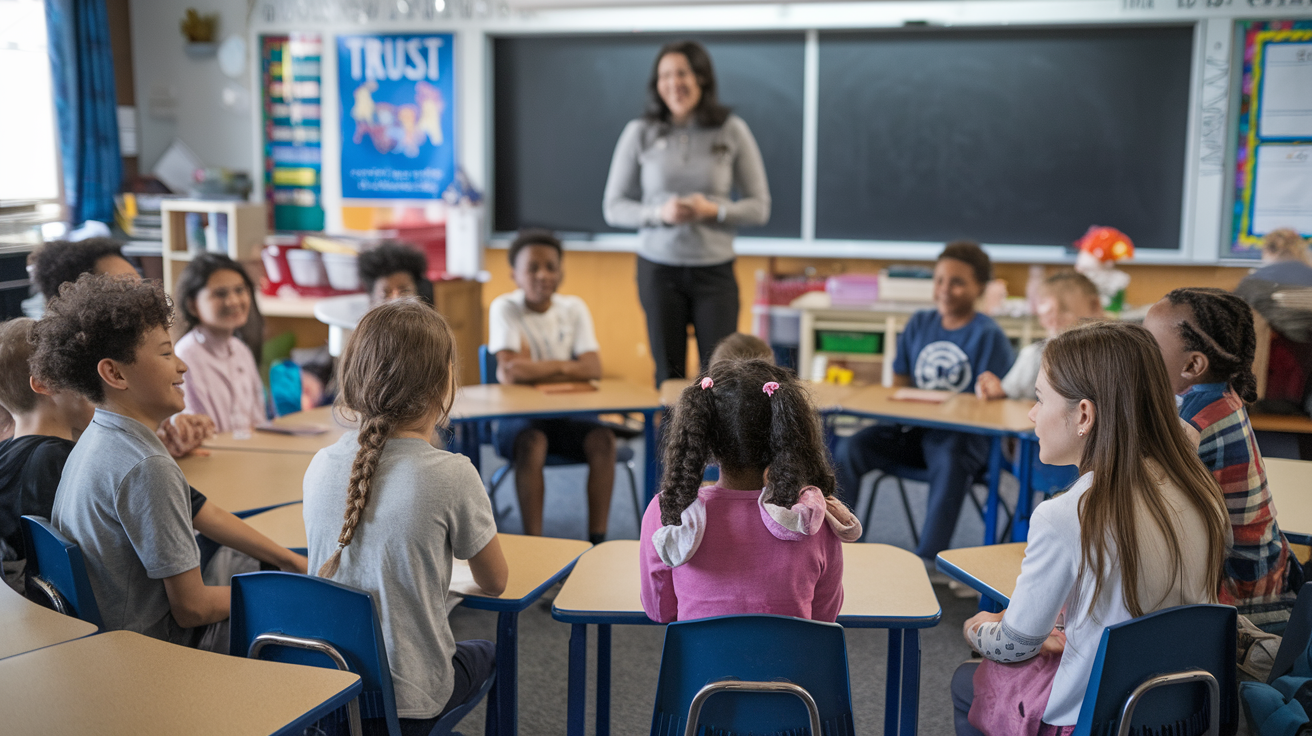
Classroom environments that feel restrictive—such as seating arrangements that discourage interaction or a lack of accessibility—can also inhibit communication. If students feel physically uncomfortable or constrained, their ability to focus and engage is reduced. Create a welcoming, adaptable classroom space. Flexible seating options, circular or horseshoe arrangements, and spaces that allow students to move comfortably can make the environment more conducive to open dialogue. Ensuring that the classroom is accessible for all students, including those with disabilities, is also essential.
Strategies for Building Trust and Enhancing Communication
With barriers identified, the next step is creating a classroom environment where trust and open communication flourish. Here are some effective ways to foster trust and encourage students to share freely.
1. Establish a Collaborative Learning Environment
When students feel that they’re part of a team, they’re more likely to communicate openly. Building a collaborative environment helps students see each other as allies in learning rather than competitors. Encourage group work and collaborative projects where students can share ideas, discuss concepts, and learn from one another. Implement team-building activities at the start of the year or term to help students form bonds and feel more comfortable around their peers.
2. Model and Encourage Empathy
Showing empathy in the classroom helps students feel understood and supported. When teachers respond to student concerns and frustrations with compassion, it sends a message that they’re valued. Listen actively and respond thoughtfully when students share their thoughts or concerns. Acknowledge their perspectives and, when appropriate, share personal anecdotes to demonstrate that everyone, including teachers, experiences challenges in learning. Empathy can also be taught directly, with exercises like “perspective-taking” discussions where students practice seeing situations from others’ viewpoints.
3. Provide Constructive Feedback Instead of Criticism
Feedback is crucial for growth, but when it feels harsh or overly critical, it can discourage students. Constructive feedback, however, can be empowering when it’s framed as guidance rather than judgment. Focus on the positives of students’ work before addressing areas for improvement. For example, start by highlighting what they did well, and then offer specific suggestions for how they can build on their strengths. Encourage self-reflection by asking students what they feel they did well and what they’d like to improve.
4. Use Active Listening Techniques
When students feel truly heard, they’re more likely to open up. Active listening demonstrates respect and shows that you’re genuinely interested in their thoughts. Make eye contact, nod, and use verbal affirmations like “I see” or “That’s interesting.” Repeat back or paraphrase what students have shared to confirm understanding. This technique not only clarifies their points but also reinforces that their voices are valued.
5. Celebrate Mistakes as Learning Opportunities
Mistakes are often viewed negatively, but in reality, they’re vital to learning. When mistakes are celebrated as learning opportunities, students feel more comfortable taking risks and sharing their ideas. Adopt a growth mindset in your classroom. Regularly remind students that mistakes are a normal part of learning and that they provide valuable insights into how we can improve. Share examples of famous failures that led to eventual success or point out times when you, as a teacher, learned from a mistake.

Building Lasting Connections with Students
Trust doesn’t happen overnight—it’s built gradually through consistent actions. When students feel valued, respected, and understood, they’re more likely to engage openly and communicate freely. By intentionally addressing barriers to communication and implementing strategies to foster trust, you can transform your classroom into a space where students feel safe to share their thoughts, ask questions, and fully participate in their learning.
An effective learning environment hinges on open communication and trust. By recognizing and addressing communication barriers, educators can cultivate a classroom that promotes authentic engagement, fosters meaningful relationships, and ultimately, enhances students’ learning experiences. Through empathy, active listening, and encouragement of collaboration, you can make your classroom a place where every student’s voice is heard, respected, and valued.



Leave A Comment