
Preparing for Success in a Tech-Driven World
The world is changing. We can all feel it. For some reason after covid, I feel like we haven’t been normal. Not sure if you all feel the same. But it feels like more and more the skills students need to succeed extend far beyond traditional academics. As industries evolve with advancements in artificial intelligence, automation, and data analytics, creative thinking, problem-solving, adaptability, and leadership have become essential. These 21st-century skills equip students not just for their first jobs, but for dynamic, ever-changing career paths. We need to be proactive.
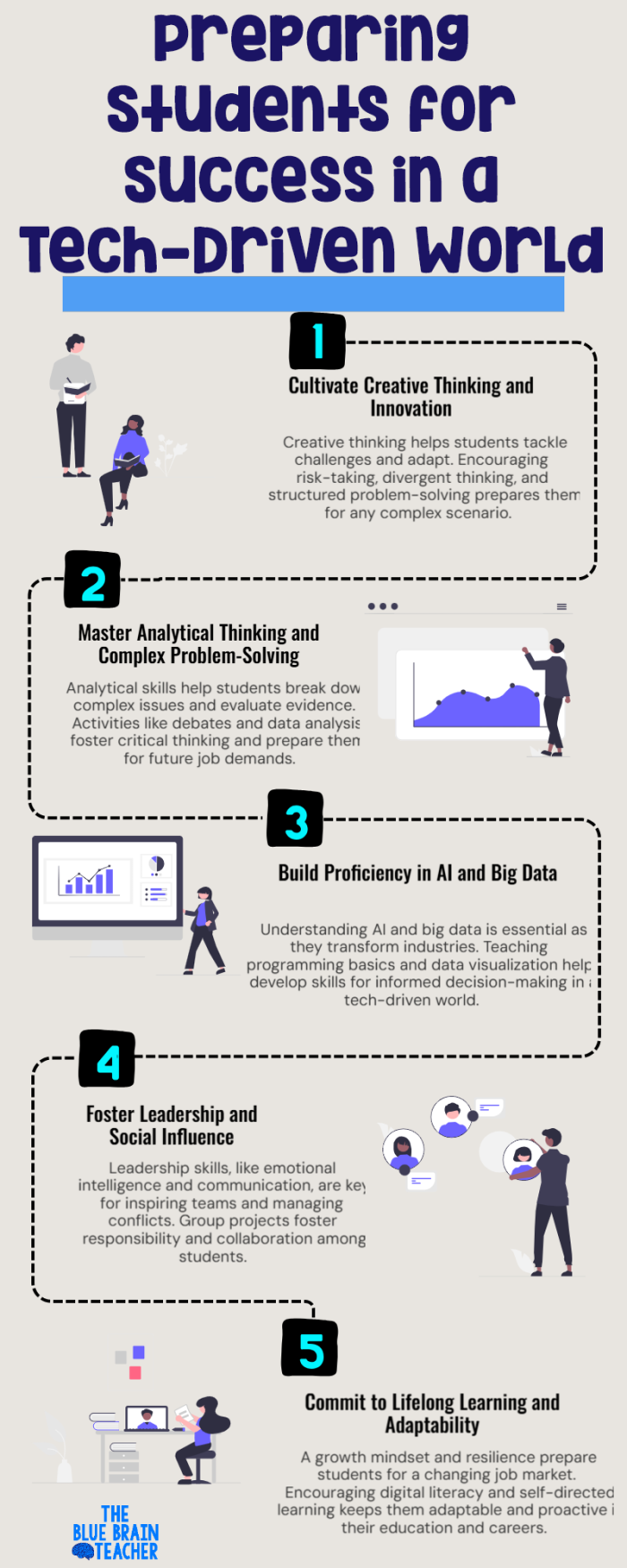
As we look toward 2025, educators and parents have an incredible opportunity to empower students with the tools they need to thrive academically, professionally, and personally. Here are five creative goals to help students prepare for success in an evolving world—and actionable strategies to make them a reality.
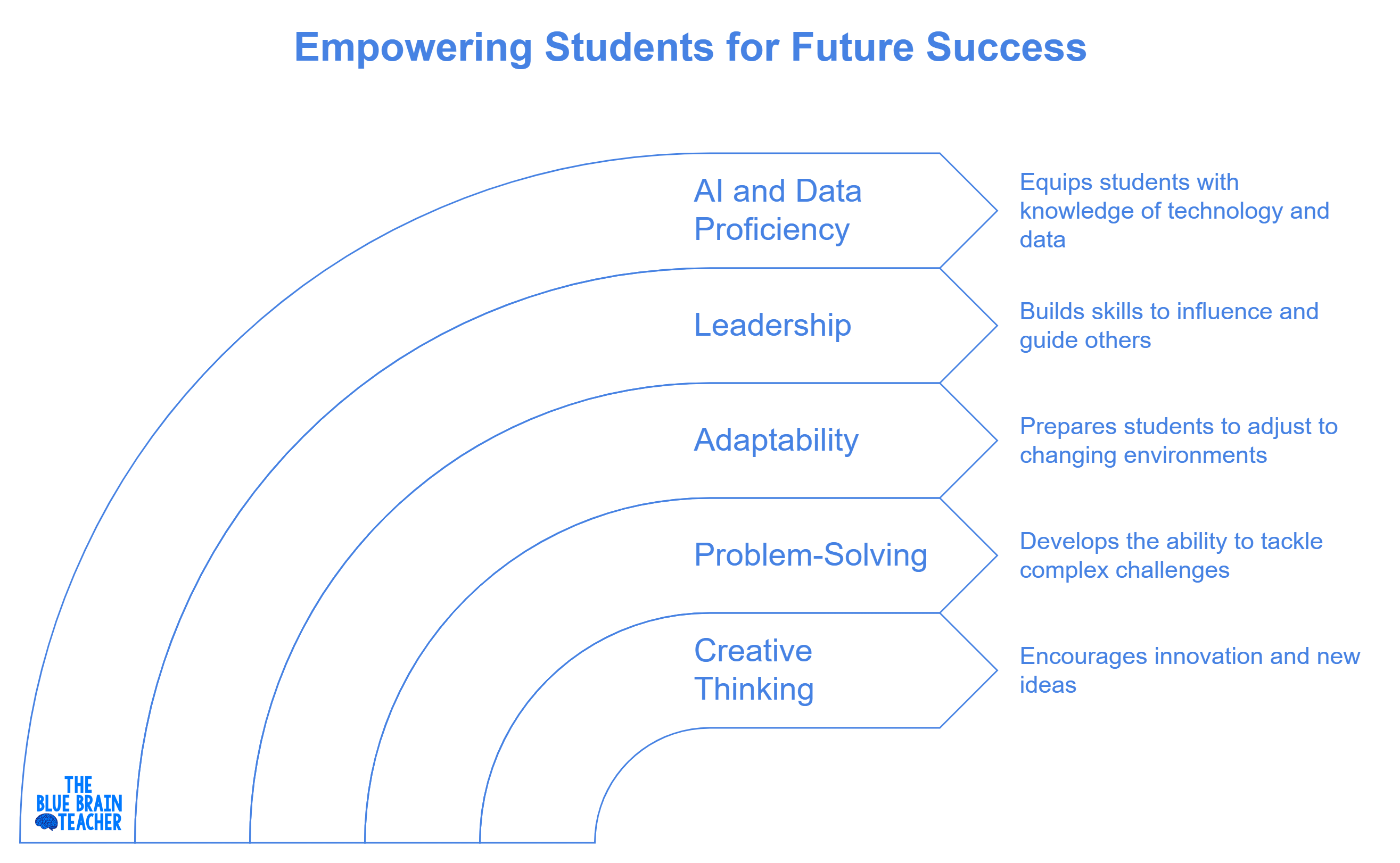
Goal 1: Cultivate Creative Thinking and Innovation
Creativity and innovation are projected to be among the most valued skills by 2027, according to the World Economic Forum. These abilities empower students to tackle challenges, adapt to new situations, and stand out in any field, from technology to the arts.
Actionable Strategies
- Encourage Risk-Taking and Experimentation: Create a safe space where students feel comfortable exploring new ideas and making mistakes. For example, assign open-ended challenges like, “Design a new product that solves a common problem.”
- Teach Divergent Thinking: Use questions like, “What are all the ways we could solve this problem?” to encourage brainstorming without judgment.
- Introduce Problem-Solving Frameworks: Guide students through steps like “Define, Ideate, Prototype, Test” to balance creativity with practicality.
Example
In a science class, challenge students to redesign a household item to make it more environmentally friendly. Let them brainstorm, sketch prototypes, and present their ideas.
Goal 2: Master Analytical Thinking and Complex Problem-Solving
Why It Matters
Analytical thinking is among the top skills employers seek, as highlighted in LinkedIn’s Workplace Learning Report. These skills enable students to dissect complex issues, evaluate evidence, and devise effective solutions.
Actionable Strategies
- Foster Critical Thinking: Introduce debates or current event discussions where students analyze arguments and challenge assumptions.
- Integrate Real-World Data: Have students interpret data sets, such as tracking weather patterns or analyzing survey results, to draw conclusions.
- Teach Systems Thinking: Help students map out how interconnected systems—like ecosystems or supply chains—function.
Example:
Assign students a group project to analyze community recycling trends and propose solutions for increasing participation. Provide real data for them to evaluate and present findings.
Goal 3: Build Proficiency in AI and Big Data
AI and big data are transforming every industry. McKinsey estimates AI will contribute $13 trillion to the global economy by 2030, making these skills indispensable.
Actionable Strategies
- Introduce Programming Basics: Use beginner-friendly platforms like Scratch for younger students or Python for older ones to teach coding concepts.
- Visualize Data: Show students how to create dashboards using tools like Tableau or Google Sheets.
- Explore Ethical AI: Facilitate discussions on bias, fairness, and privacy to encourage responsible use of technology.
Example
Have students use Python to analyze local traffic data and propose solutions for reducing congestion, creating graphs to visualize their findings.
Goal 4: Foster Leadership and Social Influence
Leadership skills enable students to inspire teams, navigate challenges, and drive positive change. According to the Future of Jobs Report, emotional intelligence and social influence are key to career growth.
Actionable Strategies
- Practice Emotional Intelligence: Use role-playing to teach empathy, self-awareness, and conflict resolution.
- Encourage Leadership Opportunities: Assign leadership roles in group projects or extracurricular activities.
- Teach Networking: Help students build meaningful connections by organizing mentorship programs or community events.
Example
Simulate a group conflict during a team project and coach students on resolving it collaboratively, emphasizing active listening and compromise.
Goal 5: Commit to Lifelong Learning and Adaptability
In a world where 65% of today’s primary school students will work in jobs that don’t yet exist (OECD), adaptability and a commitment to lifelong learning are critical.
Actionable Strategies
- Leverage Online Learning Platforms: Introduce students to resources like Coursera or edX to explore topics that excite them.
- Model Adaptability: Show students how to approach new tools or technologies with curiosity and confidence.
- Promote Resilience: Teach mindfulness techniques, time management, and strategies for reframing setbacks as learning opportunities.
Example
Assign students a mini-research project using online courses to learn a new skill, like video editing or coding. Ask them to present what they learned and reflect on the process.
Why These Goals Matter
By focusing on creativity, analytical thinking, AI proficiency, leadership, and lifelong learning, educators equip students with the resilience and adaptability needed to thrive in a rapidly evolving world. Neglecting these skills risks leaving students unprepared for the demands of innovation-driven industries and collaborative workplaces.
Your role as an educator is pivotal. By fostering these skills, you’re not just teaching lessons—you’re shaping the leaders, thinkers, and innovators of tomorrow.
Ready to help your students excel? Download our free Creative Thinking Curriculum to get started with engaging, ready-to-use classroom ideas. Equip your students today for the challenges and opportunities of tomorrow.


Leave A Comment