

Creating a Freedom-Balanced Classroom
After discussing the importance of freedom in fostering creativity and engagement in the classroom, it’s essential to understand how to implement this concept effectively. Enter the idea of Guided Freedom—a balanced approach that allows students to make choices while ensuring their learning remains focused and purposeful.
What is Guided Freedom?
Guided Freedom means giving students the autonomy to explore and make decisions within a structured framework. This approach helps maintain direction and alignment with learning goals while encouraging creativity and independence. Below, we’ll explore some practical strategies to incorporate Guided Freedom into your teaching.
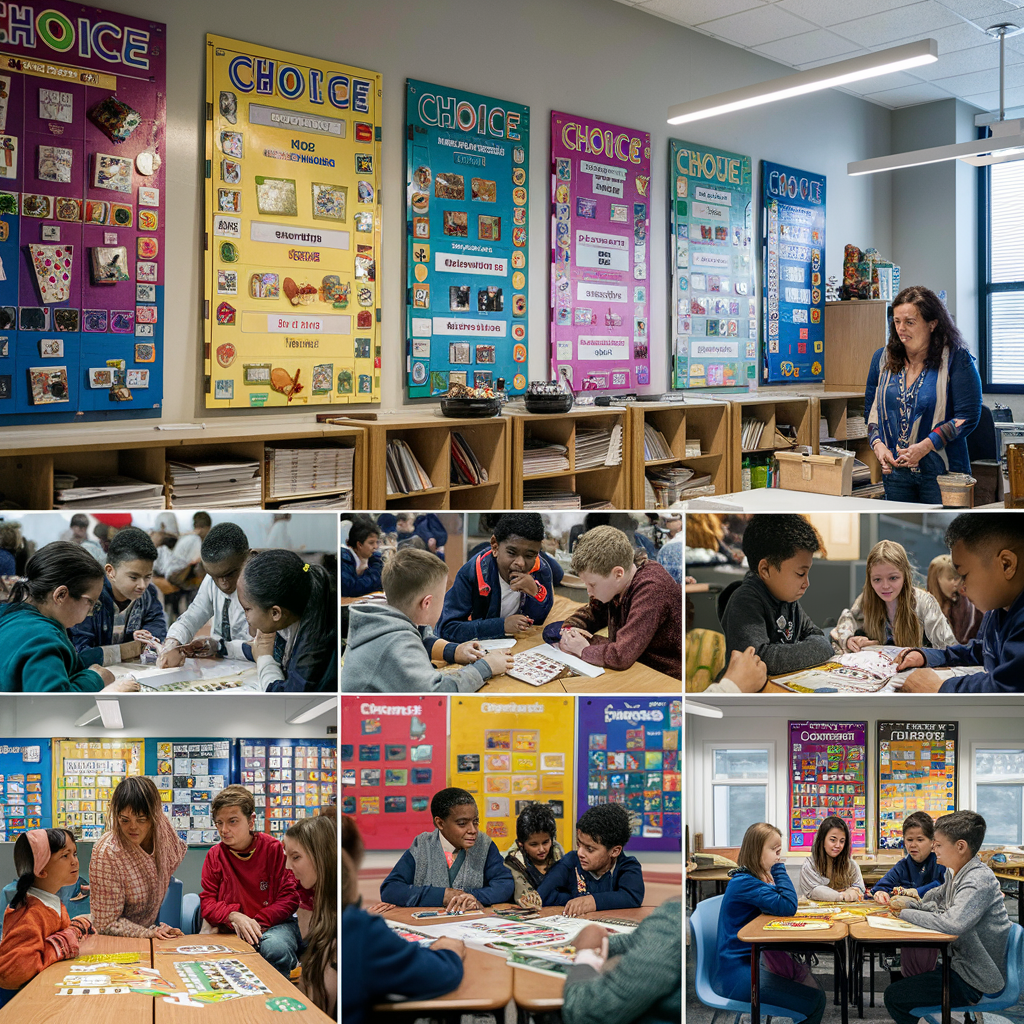
1. Choice Boards
Choice boards are visual tools that present students with various activity options, all designed to meet specific learning objectives. This method allows students to engage with content in a way that resonates with their interests and strengths.
In a history unit, create a choice board with activities such as writing a letter from a historical figure’s perspective, designing a timeline, or creating a digital presentation about a key event.

2. Learning Stations
Set up stations around the classroom, each offering different tasks related to the lesson. Students rotate through the stations at their own pace, choosing where to spend their time based on their interests.
For a science lesson on ecosystems, stations might include creating dioramas, conducting experiments, or drawing food chains. Students can decide which stations to visit and in what order.

3. Project-Based Learning (PBL)
In PBL, students work on extended projects that involve solving real-world problems. You provide a framework with clear objectives and deadlines, but students choose the project’s topic, approach, or format.
In a PBL unit on environmental sustainability, students might choose to develop a community garden plan or design an eco-friendly product. The framework includes milestones, rubrics, and presentations.

4. Contract-Based Learning
Learning contracts outline tasks, goals, and deadlines. Students agree to meet specific objectives but have the freedom to choose how they complete the tasks.
In a literature unit, students might sign a contract to read a certain number of books and complete assignments like essays or creative projects. They choose how to meet the contract’s requirements.

5. Flexible Grouping
Allow students to form their own groups or select group activities. Provide guidelines on collaboration and goals, but let students decide roles and responsibilities within their groups.
For a math project, students can choose to work on a presentation, create a visual model, or write a report. They decide how to divide the work and meet the project’s criteria.
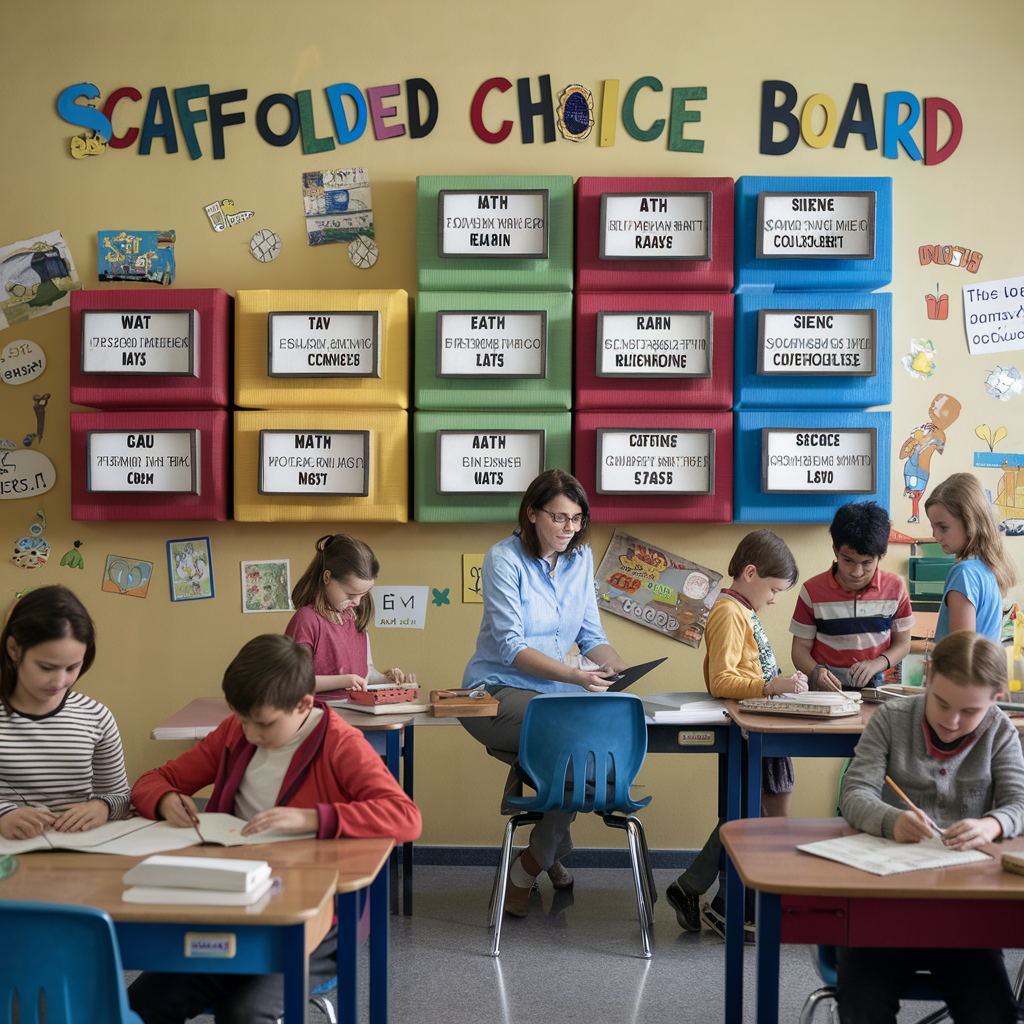
6. Scaffolded Choice
Start with more structured, guided activities and gradually increase student autonomy as they build confidence and skills. This method allows students to take on more responsibility over time.
In a writing unit, begin with guided prompts. As students improve, offer choices in writing genres and allow them to select their own topics.

7. Rubrics and Guidelines
Use clear rubrics and guidelines to outline expectations. This structure helps students understand what’s required for success while allowing them the freedom to explore within those boundaries.
Provide a rubric for a presentation that includes criteria for content and creativity. Students choose the topic and format but must meet the outlined criteria.
By integrating these frameworks, you can create a classroom environment where students have the freedom to explore and make choices while staying on track with their learning objectives. Guided Freedom fosters independence and ownership of learning while ensuring that educational goals are met.
As you introduce these strategies, remember that the balance between freedom and guidance is key. It’s about providing enough structure to keep students focused, while also allowing them the space to grow and express their creativity.



Leave A Comment