

Essential Materials for Hands-On Learning and Fun
Winter is the perfect time to add some seasonal excitement to your STEM activities. Whether you’re a classroom teacher or homeschooling parent, a Winter STEM Kit can keep your students or kids engaged in fun, hands-on learning all season long. By using simple, easy-to-find materials, you can design a variety of winter-themed challenges that teach key STEM concepts while exploring the wonders of winter.
The beauty of a Winter STEM Kit is that it provides everything you need to spark creativity and critical thinking. The materials can be used in many ways, so you can create activities that are engaging and educational—without a lot of prep work. Here’s how to build your Winter STEM Kit and use each material in a variety of fun and interactive challenges.
Essential Materials for Your Winter STEM Kit
These everyday materials will help bring winter-themed STEM activities to life. Use them to explore important concepts like engineering, physics, and design in a fun and interactive way. Let’s take a look at the materials you need in your Winter STEM Kit and how to use them in your challenges.
Materials List

Snow (Pompoms, Cotton Balls, Marshmallows)
These soft, white materials are perfect for simulating snow in your winter-themed activities. Whether you’re building snowball launchers or simulating snowstorms, these materials will be the “snow” that makes your challenges fun and engaging.
- Snowball Launchers
- Snowy Shelter Designs
- Snowstorm Simulation
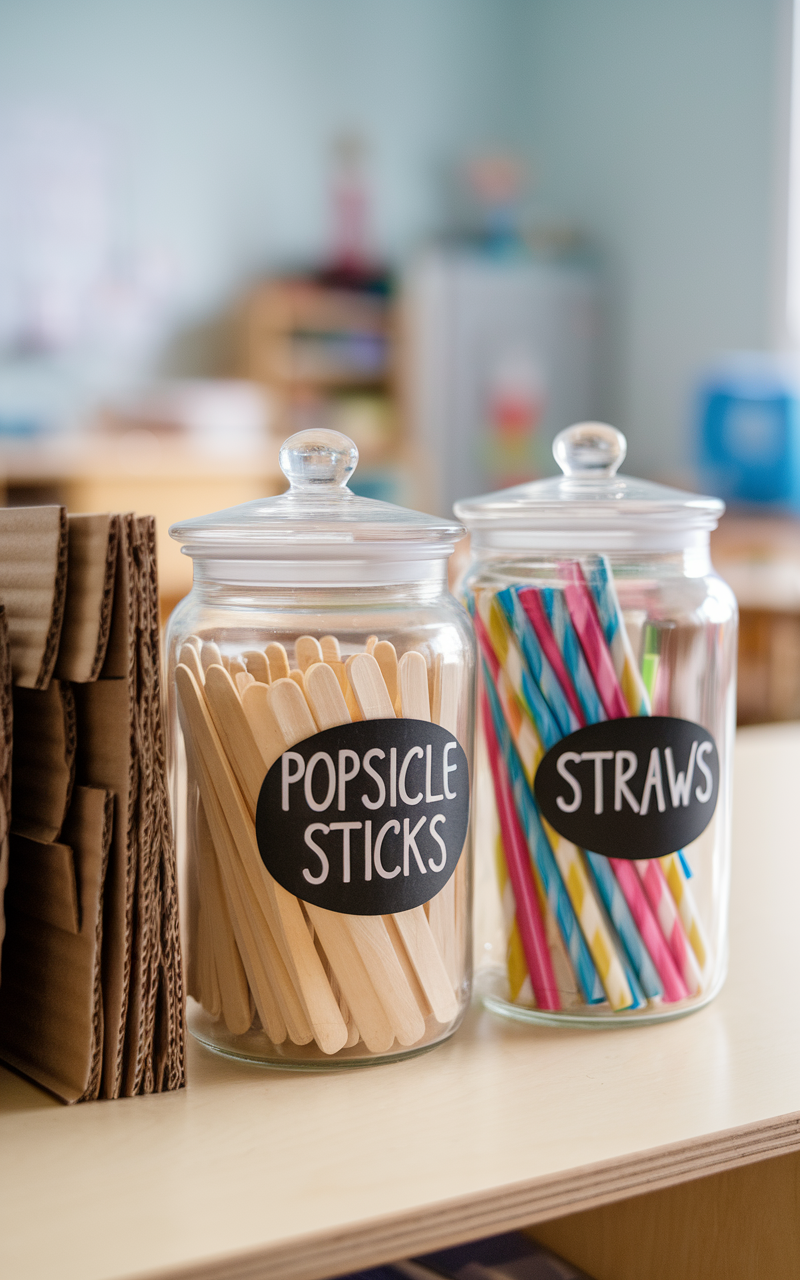
Building Materials (Popsicle Sticks, Straws, Cardboard)
Popsicle sticks, straws, and cardboard are essential for building structures and testing design ideas. These materials are perfect for creating bridges, towers, and other winter-themed structures.
- Bridges and Towers
- Winter Village Construction
- Building Stability
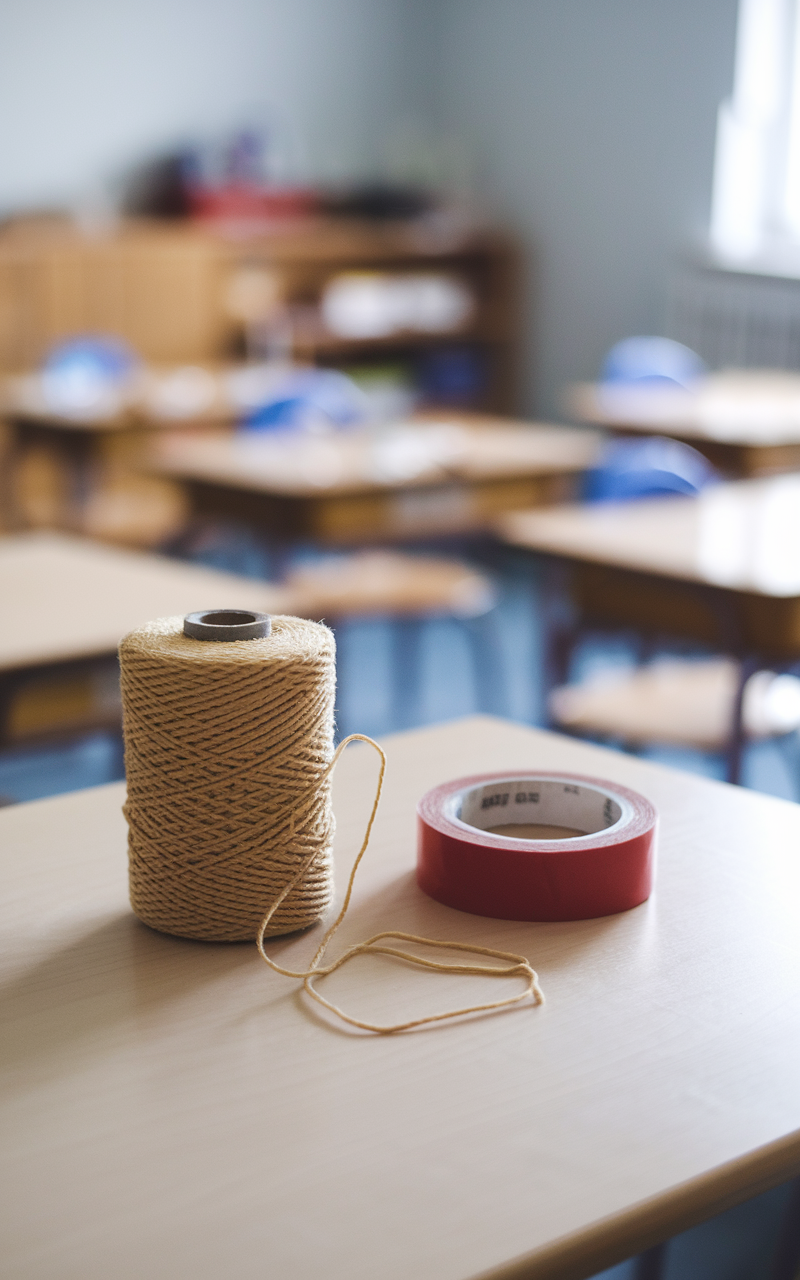
Energy and Motion (Rubber Bands, String, Tape)
Rubber bands, string, and tape are great for exploring energy, motion, and how forces can interact with objects. These materials are ideal for challenges that require motion or testing how energy is transferred.
- Elastic Launchers
- Slide Design
- Secure Your Designs
Testing and Reflection (Weights, Small Toys, Measuring Tools)
These materials are great for measuring, testing, and reflecting on how well designs hold up in your challenges. Weights, small toys, and measuring tools help assess distance, stability, and other key criteria.
-
- Weight Testing
- Speed and Distance
- Animal Pathways
Direct Download
Household and Testing Materials (Cotton Balls, Spoons, Cups, Fan)
Common household items can be used to test the effectiveness of designs or simulate real-world forces like wind or friction. These materials are versatile and can easily be added to your challenges.
- Frustration-Free Designs: Use spoons, cups, and cotton balls to design tools or machines to complete simple tasks like moving snowballs or pouring liquids. This helps students test the functionality of their designs.
- Simulating Wind: Use a fan to simulate wind and test the durability of structures like bridges or towers. Students can design buildings or shelters that can withstand the simulated “blizzard.”
- Measuring Success: Use spoons, cups, and other household items to measure distances or quantities in experiments, helping students understand measurement and precision in their designs.
Winter Figurines (For Added Engagement)
To make your winter STEM challenges even more engaging, consider adding winter-themed figurines to your kit. These can be easily found on Amazon and can help bring the activities to life.
- Penguin Slide Races: Use small penguin figurines to race down slides or ramps designed by the students. This adds a fun, interactive element to the challenges while reinforcing concepts like motion, friction, and slope.
- Winter Village Scenes: Add small figurines like snowmen, reindeer, or winter animals to your winter village constructions. These figures can make the building process more fun and relatable, adding an element of storytelling to the design process.
- Animal Track Adventures: Use figurines to simulate animal tracks in the snow, creating stories or solving mysteries based on the tracks they leave behind.
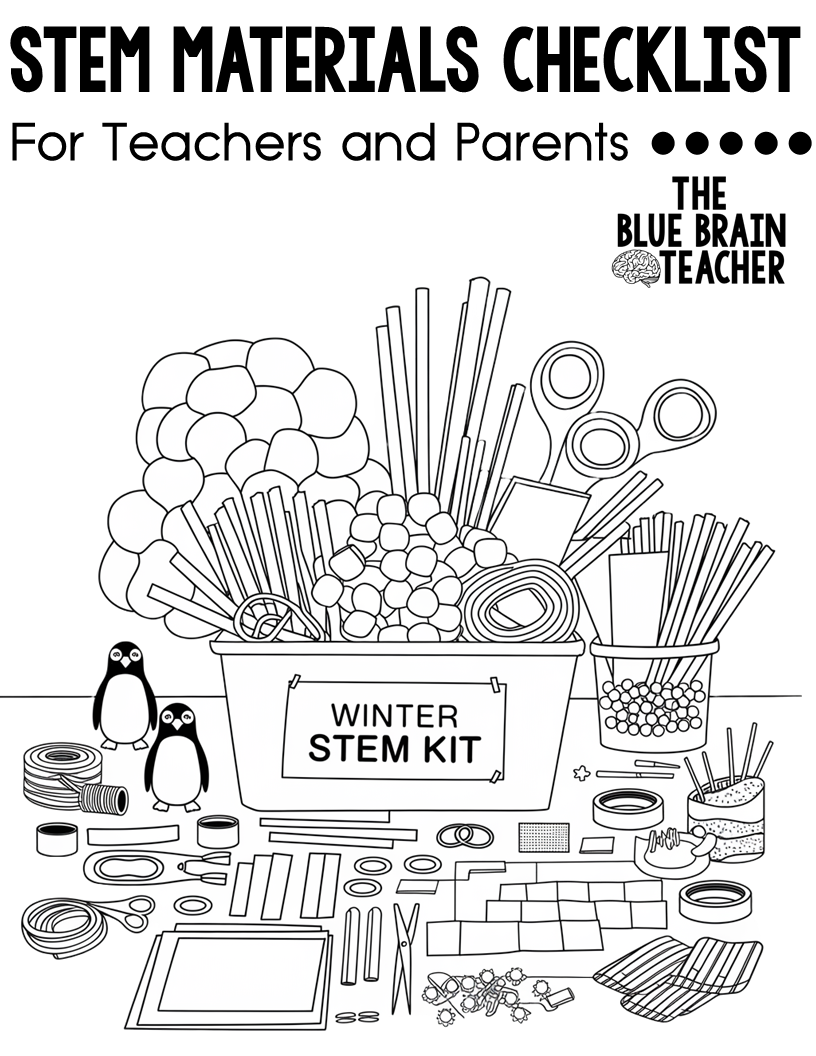
Free Downloadable Materials List
To make your Winter STEM Kit even easier to put together, I’ve created a free downloadable materials list! You can access it directly and use it to ensure you have all the items you need for your challenges. Download your list and start building your Winter STEM Kit today!
Why a Winter STEM Kit Works for Hands-On Learning
A Winter STEM Kit provides all the materials needed for a variety of engaging, educational activities. By combining simple items like pompoms, popsicle sticks, and rubber bands, you can design challenges that are fun and help students or kids understand critical STEM concepts. Whether you’re exploring physics, engineering, or problem-solving, these materials will keep kids engaged and encourage creativity throughout the winter months.
Ready to build your own Winter STEM Kit?
Start collecting your materials today, and get ready for an exciting season of winter-themed learning!
Want to make your winter learning even more fun and interactive? Check out our Winter STEM Challenge Cards, which includes ready-to-implement lessons and activities to keep your kids engaged all season long!



Leave A Comment